
Natural soap has become increasingly popular as people look for healthier, more environmentally friendly alternatives to conventional skincare products. But what exactly is natural soap, and why is it considered better for your skin and the planet? In this post, we’ll explore what natural soap is, the ingredients that make it special, its benefits, and how it can be used in everyday life.
What Is Natural Soap?
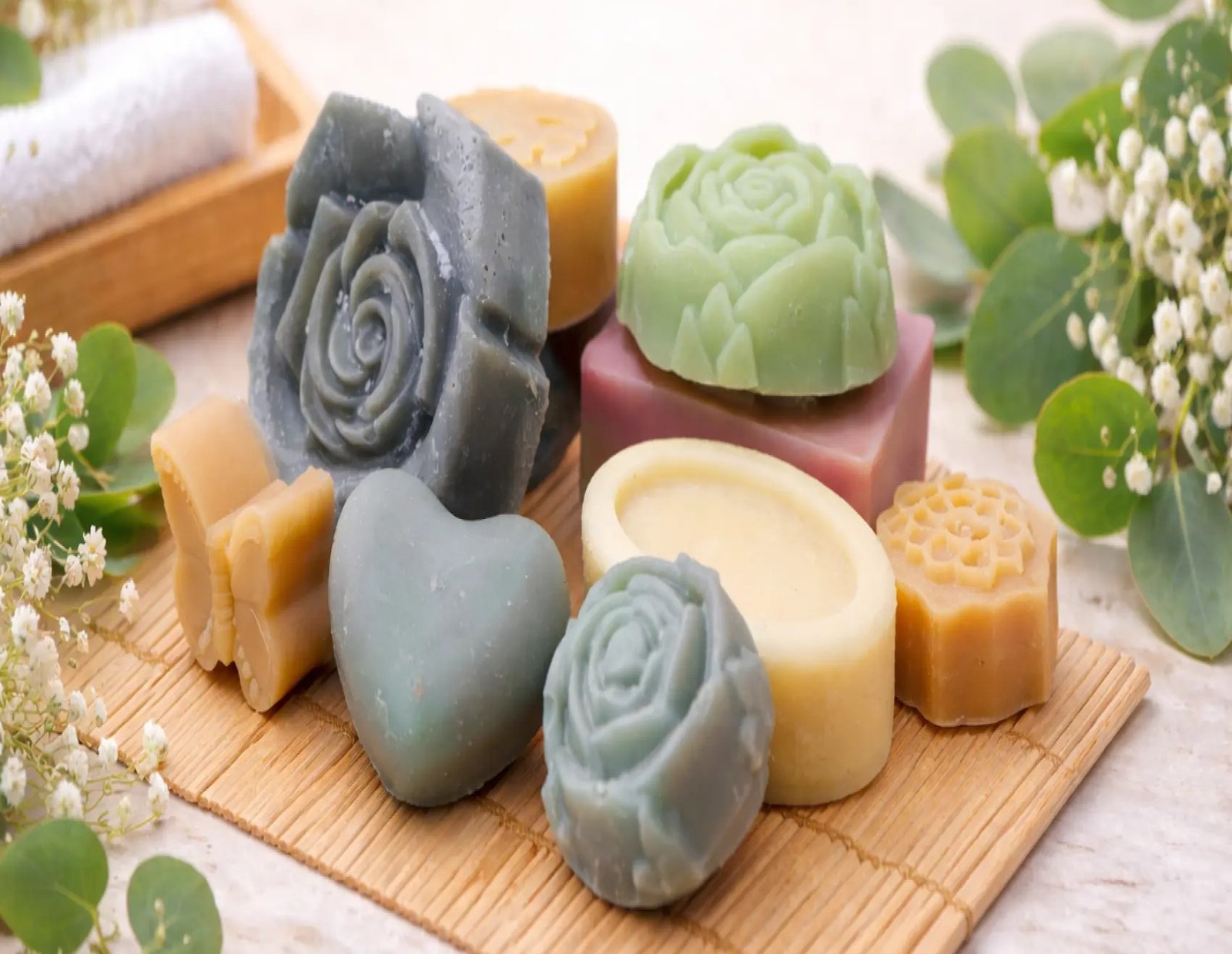
Natural soap is a cleansing product made primarily from natural ingredients such as plant-based oils, natural butters, essential oils, and mineral or botanical colorants. Unlike commercial soaps, natural soaps do not rely on harsh synthetic chemicals, artificial fragrances, or detergents to clean the skin.
Traditional natural soap is usually made through a process called saponification, where oils or fats react with a natural alkali (like lye) to create soap and glycerin. Glycerin is a natural byproduct that helps retain moisture in the skin, but it is often removed from commercial soaps to be sold separately. Natural soaps keep this glycerin intact, making them gentler and more moisturizing.
Common Ingredients in Natural Soap
One of the key differences between natural soap and commercial soap is the ingredient list. Natural soaps typically contain fewer ingredients, and each one serves a purpose.
1. Plant-Based Oils and Butters
These form the base of natural soap and provide cleansing and moisturizing properties. Common examples include:
- Olive oil (gentle and nourishing)
- Coconut oil (creates lather and cleansing power)
- Shea butter (deeply moisturizing)
- Cocoa butter (adds creaminess and skin protection)
2. Essential Oils
Essential oils are used for fragrance and therapeutic benefits. Unlike synthetic fragrances, they come from plants, flowers, and herbs. Examples include lavender for calming, tea tree for cleansing, and peppermint for refreshing.
3. Natural Colorants
Natural soaps get their colors from clays, herbs, spices, or plant powders rather than artificial dyes. For example:
- Turmeric for yellow
- Activated charcoal for black or gray
- Spirulina for green
4. Lye (Sodium Hydroxide)
Although it may sound intimidating, lye is essential for soap-making. When used correctly, it fully reacts with oils during saponification, leaving no lye in the finished soap.
Benefits of Natural Soap
Natural soap offers a variety of benefits that make it a preferred choice for many people.
1. Gentle on the Skin
Natural soap is free from harsh detergents and sulfates that can strip the skin of its natural oils. This makes it suitable for sensitive skin and for people prone to dryness or irritation.
2. Moisturizing Properties
Thanks to naturally occurring glycerin and nourishing oils, natural soap helps keep the skin hydrated rather than leaving it tight or dry after use.
3. Fewer Chemicals
Natural soap avoids synthetic preservatives, artificial colors, and fragrances that can cause allergic reactions or long-term skin issues.
4. Eco-Friendly
Most natural soaps are biodegradable and made using sustainable ingredients. They are often packaged with minimal or recyclable materials, reducing environmental impact.
5. Customizable for Different Skin Types
Natural soaps can be made for specific needs, such as acne-prone skin, dry skin, or oily skin, by adjusting the oils and essential oils used.
Uses of Natural Soap
Natural soap is versatile and can be used in many ways beyond just handwashing.
1. Daily Body Cleansing
Natural soap is ideal for everyday showers and baths. Its gentle formula cleanses without over-drying, making it suitable for daily use.
2. Facial Cleansing
Certain natural soaps are formulated specifically for the face, using mild oils and essential oils that help cleanse without irritating delicate facial skin.
3. Handwashing
Because it is less drying than commercial soaps, natural soap is excellent for frequent handwashing, especially in dry or cold climates.
4. Shampoo Bars
Some natural soaps are designed to be used as shampoo bars, helping cleanse the hair and scalp without synthetic surfactants.
5. Household Use
Natural soap can also be used for light household cleaning, such as washing delicate fabrics or cleaning makeup brushes.
Final Thoughts
Natural soap is more than just a trend—it’s a return to traditional, thoughtful skincare. By using simple, natural ingredients, it provides effective cleansing while being gentle on the skin and the environment. Whether you’re looking to reduce chemical exposure, support eco-friendly practices, or simply enjoy a more nourishing bathing experience, natural soap is a great choice.
If you’re new to natural soap, start by reading ingredient labels and choosing one that matches your skin type. Over time, you’ll likely notice the difference in how your skin feels—healthier, softer, and more balanced.